

Did you know there are 49 different species of dolphins and porpoises? The dolphins that can be seen in the waters off Skidaway Island are bottlenose dolphins,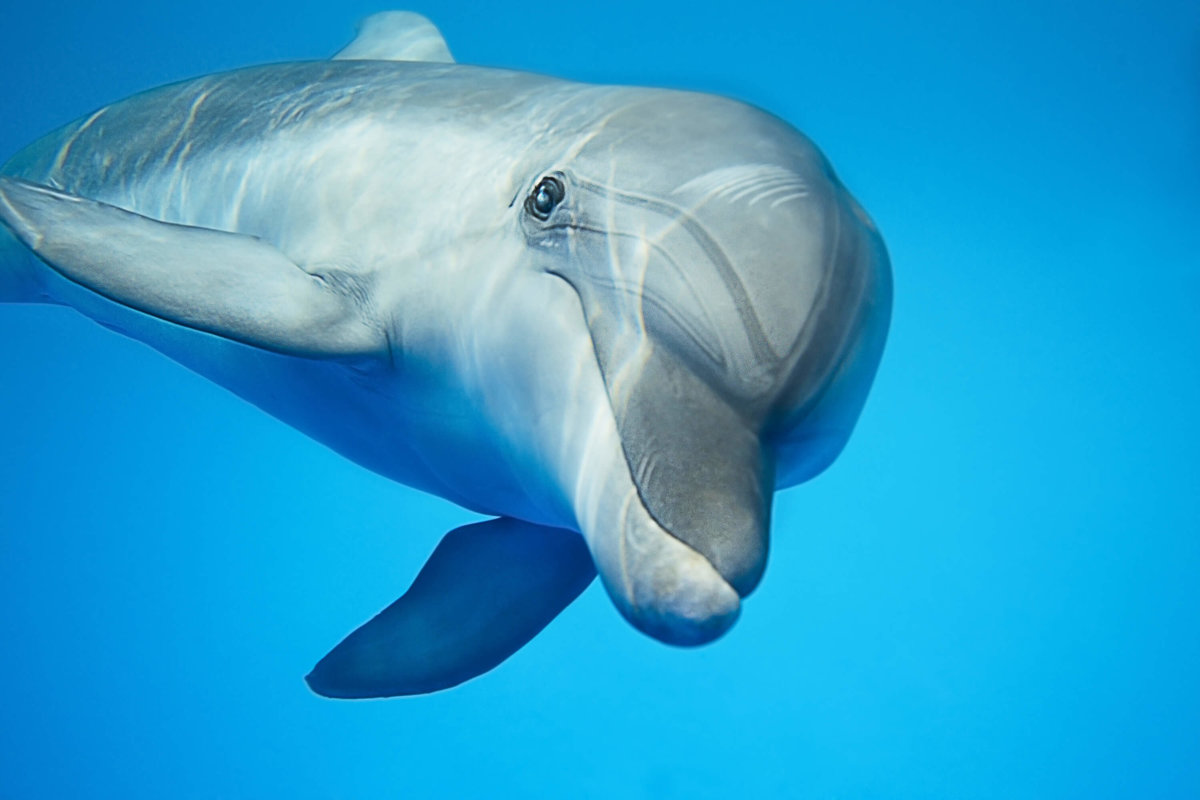 perhaps the most popular species, thanks to movies and aquatic shows.
These graceful and swift swimmers are nearly four feet long at birth, and develop a “signature whistle” in the first months of life. This whistle is used throughout its lifetime to notify others of its identity and location. This is important as they are highly social mammals, who live in groups, hunt cooperatively, and play together.
According to the Georgia Aquarium, dolphins use a wide range of vocalizations, including whistles, grunts, trills, squeaks and moans, to communicate with each other as they hunt for fish, raise their young and guard against predators. Additionally, with echolocation, they can identify predators, navigate in dark waters, and locate prey. Dolphins mostly eat fish, and despite having a full set of teeth, they do not chew but usually swallow their fish whole. Their stomach, similar to a cow’s, has three chambers: the first masticates their meal, the second digests most of it, and the third processes the remainder.
The bottlenose has a large brain, and while one half sleeps, the other half of the brain maintains the dolphin’s sight, hearing, and breathing, ensuring it surfaces to breathe. When surfacing, they first exhale through the blowhole before drawing in the next breath.
Bottlenose dolphins are found along the Atlantic coast from New York to Florida.
They are not endangered, but they are federally protected. It is illegal to harass or feed dolphins under the Marine Mammal Protection Act. Feeding dolphins teaches them to approach boats, making them vulnerable to propeller strikes and fishing gear entanglement. Studies have shown that some pollutants that wash into waterways can be found in dolphins and in the fish they eat. Additionally, a recent NOAA study found bottlenose dolphins are highly vulnerable to warming oceans caused by climate change. Sustainability and the effects of global warming, including altered habitats, are a great concern to Skidaway Audubon which offers a speaker series on a variety of environmental topics. To learn about Audubon programs, as well as volunteer opportunities, and how to donate, visit SkidawayAudubon.org.
